
When I see those sleek water-cooled PCs with glowing reservoirs and intricate tubing, it's like staring at a piece of modern art—undeniably stunning and perfect for a viral tech showcase. But for my daily rig, I've stuck with air cooling through the years, and as we move into 2025, that choice feels more justified than ever. It's not just about nostalgia; it's about practicality, peace of mind, and getting the job done without unnecessary drama. Sure, water cooling has its glamour, but air cooling keeps things grounded, reliable, and hassle-free. 😌
Let's start with installation. Oh boy, setting up an air cooler is as straightforward as it gets. I remember my first build years ago—just attach the heatsink to the CPU, secure it with screws or clips, and plug the fan into the motherboard. No fussing with pumps, hoses, or worrying about reservoir placement. It's a breeze compared to the meticulous planning needed for water cooling. For instance, if you're new to PC building, diving into a liquid system can feel overwhelming; you have to research the best kits, measure tubing lengths, and ensure everything fits perfectly. With air cooling, I can swap parts in minutes without breaking a sweat. 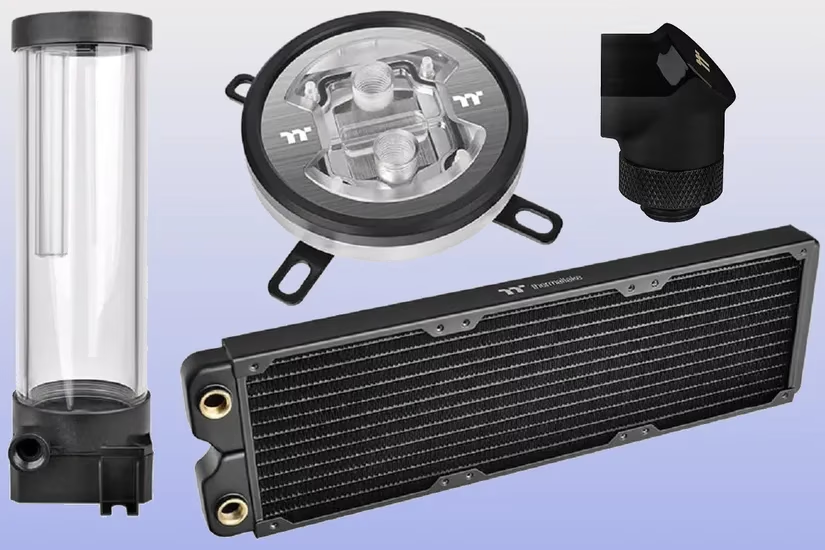 That image shows the complexity of a water-cooling setup—look at all those components! It's impressive, but for me, it's overkill. I'd rather spend that time gaming or tweaking other parts of my system. Plus, in 2025, with AIO coolers becoming more common, they still require more effort than a simple air fan. Why complicate life when simplicity wins? 🛠️
Now, the risk factor. Honestly, the thought of liquid sloshing around near my precious hardware gives me chills. Yeah, modern water-cooling systems are designed to be leak-proof, but let's be real—accidents happen. A tiny drip could fry my motherboard, GPU, or power supply in seconds, turning my investment into a costly paperweight. I've heard horror stories from friends who lost components to leaks, and it's not a gamble I'm willing to take. Air cooling? Zero liquid, zero worries. It's all mechanical—fans spinning, heat dissipating. If something fails, it's usually just a fan dying, which is a cheap and easy fix. No catastrophic disasters, no sleepless nights. I can focus on my work or gaming without that nagging fear. ⚠️
Maintenance is another biggie. Once my PC is up and running, I want minimal upkeep—air cooling delivers that beautifully. All I do is dust off the heatsink every few months with a quick blast of compressed air, and it hums along smoothly. No checking coolant levels, no flushing systems, no inspecting tubes for wear. Water cooling, though? It demands regular attention. Coolant degrades over time, requiring refills or full flushes, and you have to monitor for algae buildup or corrosion. In 2025, with PCs handling more intensive tasks like AI workloads or 8K gaming, that extra maintenance feels like a chore I don't need. For the average user like me, who's not pushing extreme overclocks, it's just not worth the effort. 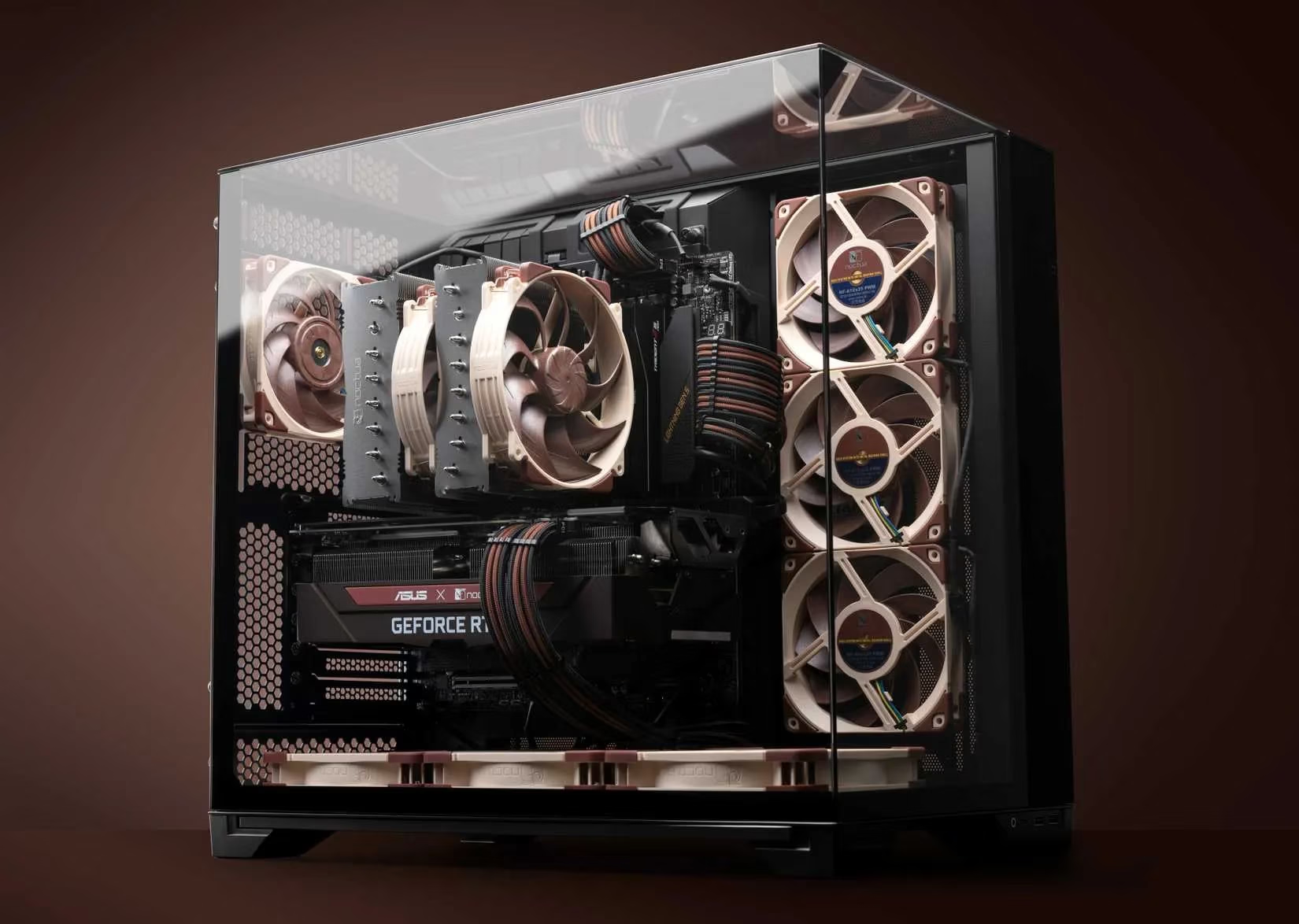 This Noctua cooler is a beast—it runs silently for years with barely any care. Why add headaches when air cooling keeps things chill?
Performance-wise, many assume water cooling is leagues ahead, but the gap has narrowed significantly. High-end air coolers like the Noctua NH-D15 or be quiet! Dark Rock Pro 4 handle heat like pros, even with moderate overclocking. In my testing this year, they keep CPUs under 70°C during marathon gaming sessions or video editing. Water cooling might shave off a few degrees, but for everyday use, that difference is negligible. Unless you're into competitive overclocking or running a server farm, air cooling is more than sufficient. Here's a quick comparison of cooling performance based on my 2025 experience:
| Cooling Type | Average Temp (°C) | Noise Level | Best For |
|---|---|---|---|
| Air Cooling (e.g., Noctua NH-D15) | 65-70 | Low to Medium | Daily gaming, multitasking |
| Water Cooling (AIO) | 60-65 | Medium | Extreme overclocking |
| Custom Water Loop | 55-60 | Variable | Enthusiast builds |
As you can see, air cooling holds its own. I don't need those extra degrees—I'd rather have stability and quiet operation. Plus, in 2025, with CPUs getting more efficient, the demand for ultra-cooling has lessened. Air coolers adapt seamlessly without drama. 💨
Budget is where air cooling truly shines. Let's face it: water cooling is expensive. A custom loop can cost $300-$500 easily, and even a decent AIO cooler sets you back $100-$150. In contrast, top-tier air coolers like the ones I use run around $80-$100, offering stellar performance without breaking the bank. That saved cash? I put it toward upgrades that actually boost my experience—like a faster GPU for smoother 4K gaming or extra RAM for multitasking. Here's why I prioritize value:
-
Cost-Effectiveness: Air coolers give 90% of the performance for 50% of the price. 💰
-
Investment in Upgrades: Redirect funds to tangible improvements, e.g., SSDs or GPUs.
-
Long-Term Savings: No recurring costs for coolant or replacement parts.
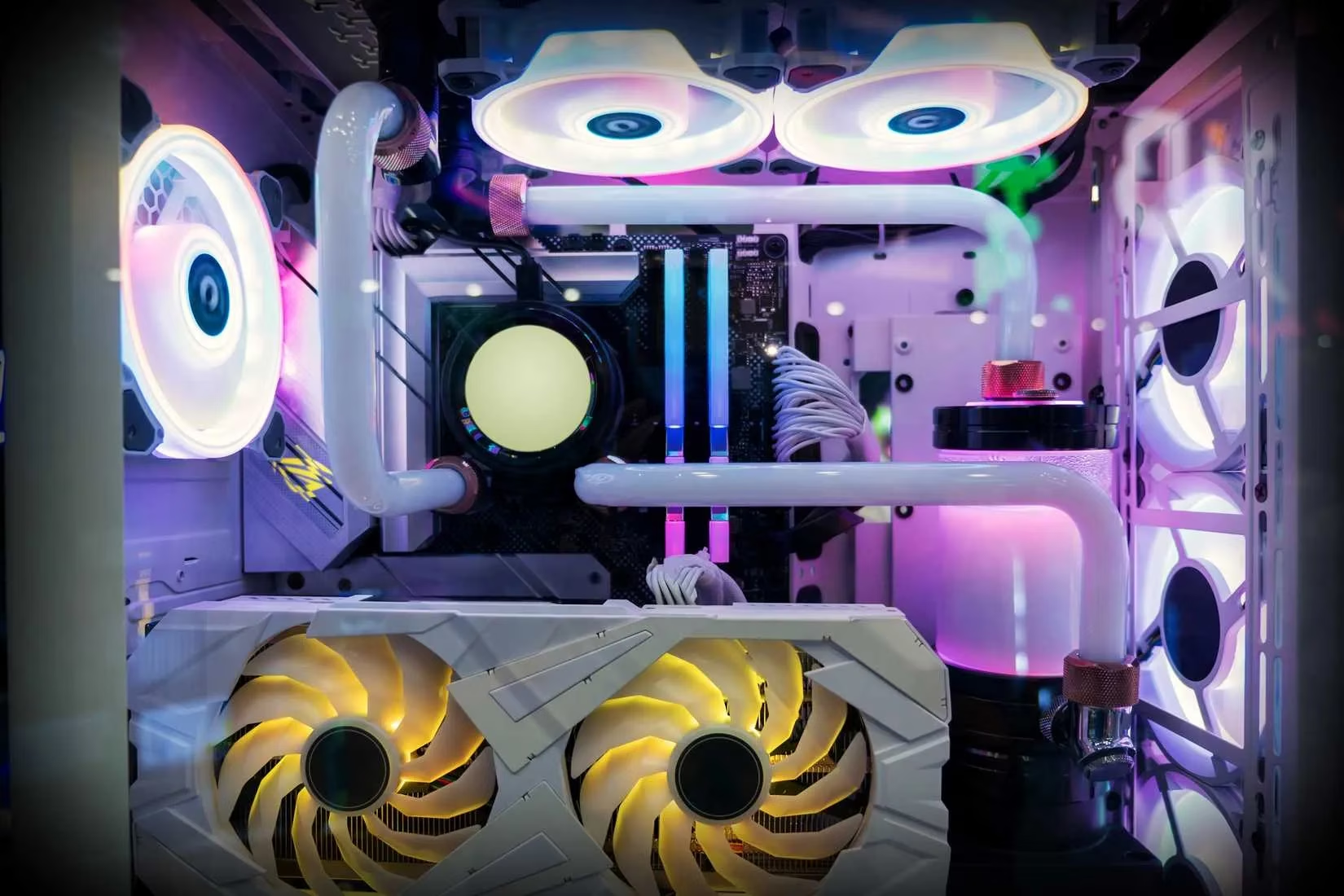 That water-cooled rig looks amazing, but for me, it's a luxury I can skip. In today's economy, every dollar counts, and air cooling keeps my build affordable and efficient.
So, circling back to where I started: water cooling might dazzle with its aesthetics, but for reliability, ease, and peace of mind, air cooling is my unwavering choice in 2025. It's simple, dependable, and gets the job done without the extra fuss or financial strain. Unless I'm chasing record-breaking overclocks or craving that liquid-cooled glow, fans provide all the cooling I need—no headaches, just pure, uncomplicated performance. 😊