When I decided to build a photo editing rig on an $800 budget, I thought I'd outsmart ChatGPT with my 'expertise' – boy, was I wrong! 🤯 Armed with nothing but skepticism and a credit card, I challenged the AI to recommend parts for handling massive RAW files and multitasking without melting down. The bot didn't just suggest components; it schooled me in budget wizardry, leaving my ego in the dust. After 40+ hours comparing benchmarks and reviews like a caffeine-crazed detective, I sheepishly admitted its list was nearly flawless. Talk about a digital humble pie!
The Blueprint: ChatGPT’s Penny-Pinching Genius
ChatGPT’s parts list wasn’t flashy—just brutally efficient. Here’s what made the cut (prices from October 2024):
| Component | Model | Cost |
|---|---|---|
| CPU | AMD Ryzen 5 5500 | $70 |
| GPU | NVIDIA RTX 2070 (I owned this already) | $0 |
| Motherboard | ASUS Prime B550M-A Wi-Fi II | $100 |
| RAM | TeamGroup T-Force Delta RGB DDR4-3600 32GB | $68 |
| SSD | Crucial P3 500GB NVMe | $40 |
| HDD | WD Blue 4TB 5400 RPM | $82 |
| PSU | Thermaltake Toughpower GX2 600W Gold | $64 |
| Case | Apevia Prism-WH Micro-ATX Cube | $70 |
| Case Fans (3-pack) | Thermalright TL-S12W-SX3 | $33 |
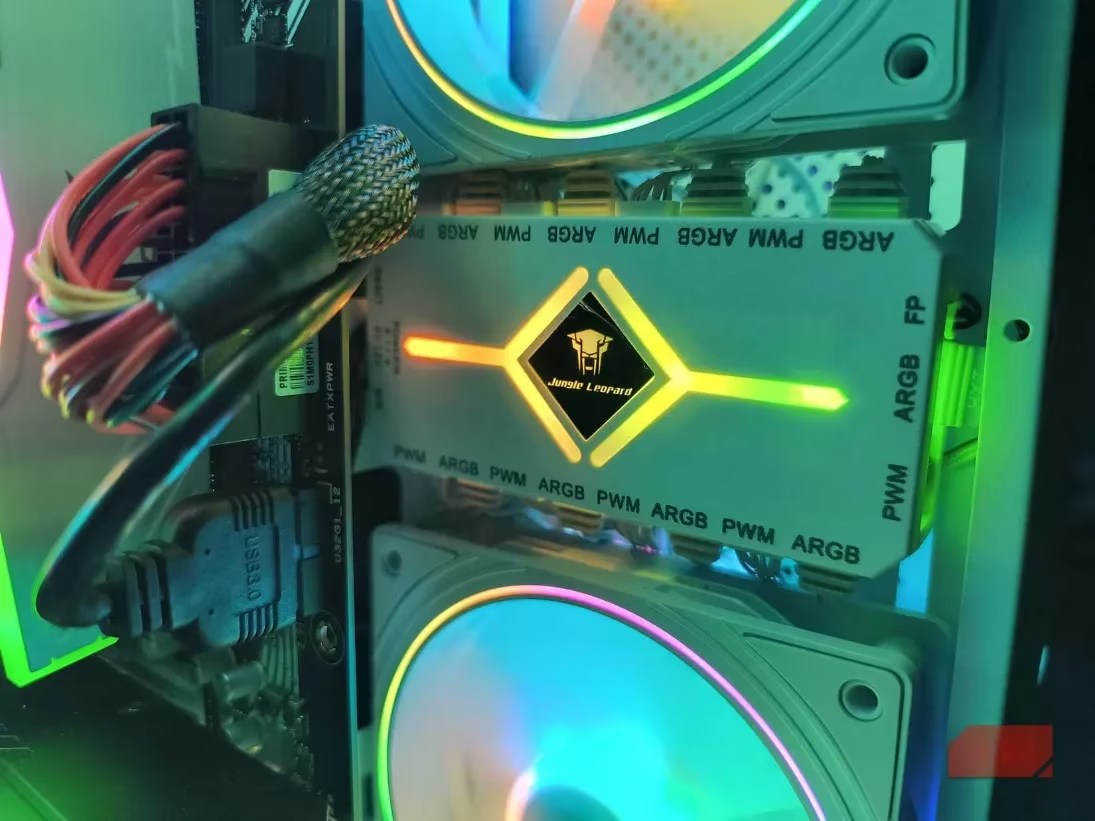
| Fan Hub | Shaking Tank ARGB + PWM Hub | $13 |
| CPU Cooler | DarkFlash Z4 Pro 120mm | $21 |
| Thermal Paste | ARCTIC MX-4 | $7 |
| Total | $778 |
I tweaked two things: swapped the case for a white cube (my wife’s aesthetic demand 💅) and added RGB RAM because, well, shine bright like a diamond. But ChatGPT’s core philosophy? Zero wasted dollars. No bottlenecks, no overkill—just a Zen-like balance. That Ryzen 5 5500 CPU? A $70 steal with six Zen 3 cores chewing through edits. The 32GB RAM? Butter-smooth multitasking.
Performance: Faster Than My Excuses
This rig didn’t just meet expectations—it pole-vaulted over them:
-
⚡ Lightroom Nirvana: 100+ RAW files batch-exported before my coffee cooled. Previews? Instant.
-
🎨 Photoshop Power: Layers and filters on gigabyte-sized images? Easy peasy.
-
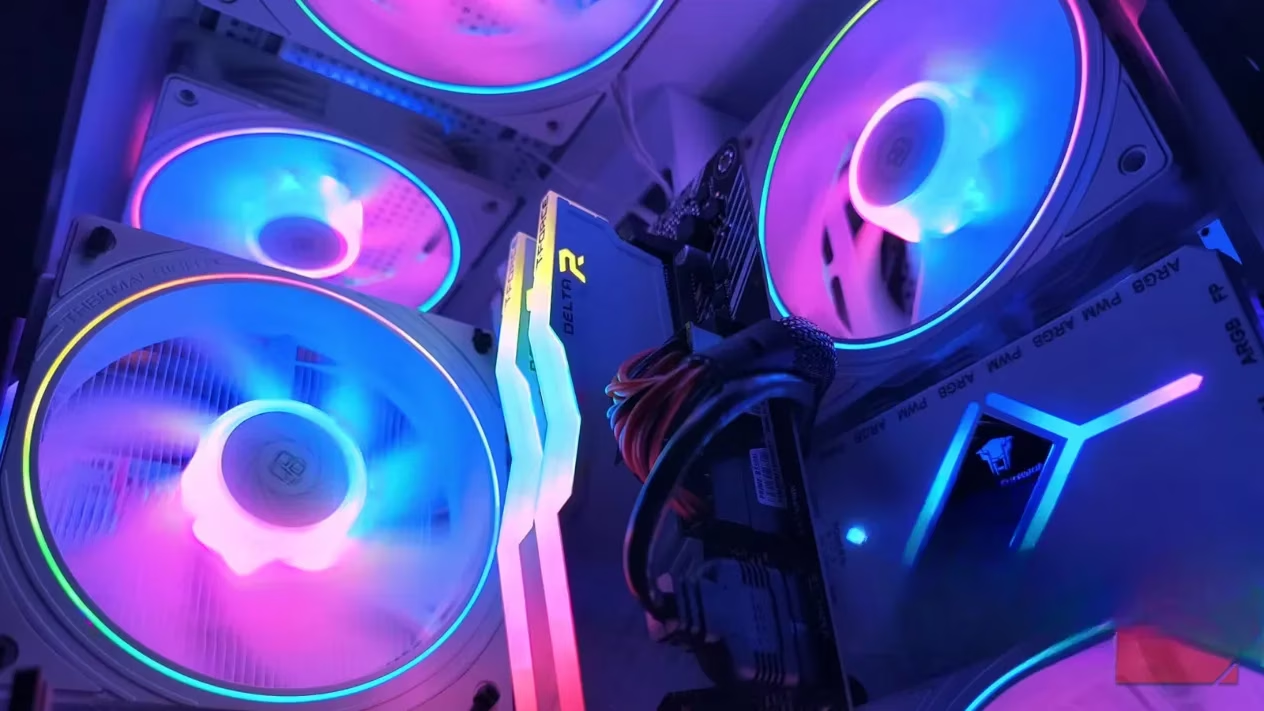
❄️ Thermal Zen: Nine fans + that $21 DarkFlash cooler = temps 15°C lower. Silent even on ‘Turbo’ mode!
-
🚀 NVMe Magic: Boots faster than I blink.
ChatGPT’s storage combo was chef’s kiss—500GB NVMe for speed, 4TB HDD for hoarding RAW files. And the motherboard? Wi-Fi + simple BIOS = no-fuss functionality.
The $21 Miracle & Other AI Easter Eggs
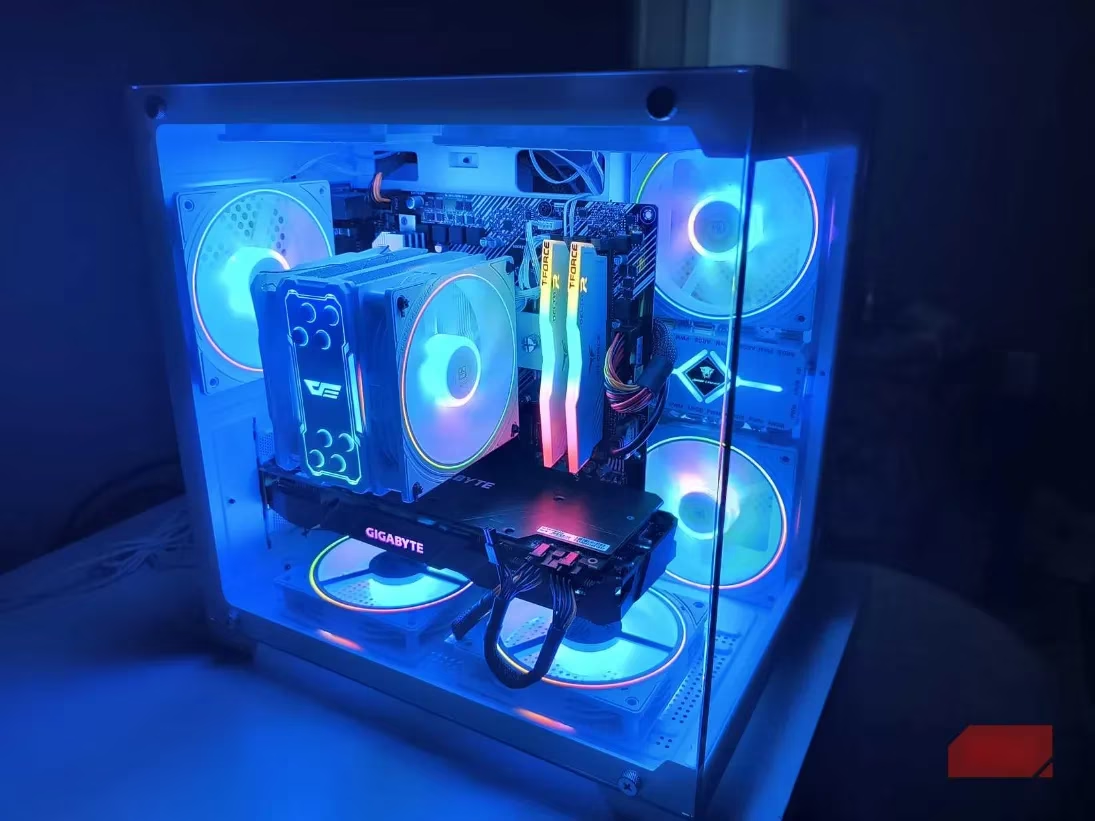
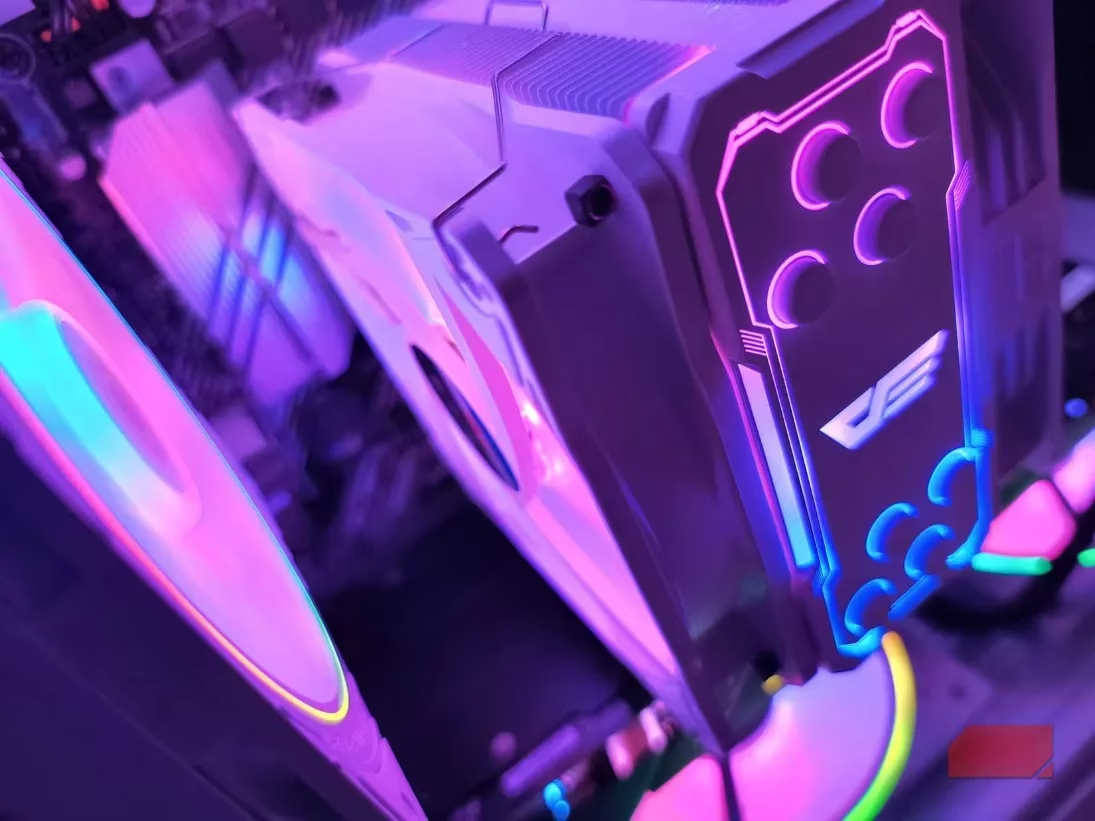
My biggest facepalm? Almost skipping ChatGPT’s DarkFlash cooler advice. The stock Ryzen fan whimpered during exports, so I caved. Result? A temperature nosedive and whisper-quiet ops. This $21 hero fit the case like Cinderella’s slipper, proving ChatGPT’s spatial awareness.
Compatibility? Flawless. RAM ran at 3600MHz without BIOS tweaks. The fan hub? Genius cable management. Even thermal paste was included—something I’d forget mid-build frenzy!
Why This Felt Like Cheating (In a Good Way)
ChatGPT didn’t just regurgitate specs—it strategized:
-
🔍 Prioritized real-world performance over hype (no ‘gaming tax’ parts).
-
💡 Chose obscure brands like TeamGroup and DarkFlash that punched above their price.
-
🧩 Nailed compatibility: AM4 socket, GPU clearance, PWM headers—all click.
I’d usually drown in Reddit threads agonizing over parts. Here? The AI cut my research from days to hours. Sure, I fine-tuned aesthetics, but its framework was gold.
Final Thoughts: From Skeptic to Believer
So, what started as a ‘lol, let’s troll ChatGPT’ experiment birthed a photo-editing beast that looks $$$ but cost peanuts. It’s quiet, cool, and cruises through workloads while sipping power. Moral of the story? 🤖 + 🖥️ = ❤️. Next build, I’m letting the bot drive—maybe it’ll even teach me humility again. Or how to save for a vacation with all that leftover cash!